Work backwards from the date that actually matters
Every successful schedule starts with one honest date: the graduation party, the baby, the parents moving in, the lease that ends, the holidays you are hosting. Put that date on the wall, then subtract in order: construction, permit review, design and selections, and the lead times of the long-order items inside the project — cabinets, custom glass, tile and fixtures chosen from a real sample, not a screen. What is left is your true start date, and it is almost always earlier than homeowners expect. This is not pressure; it is arithmetic. A kitchen remodeling project whose cabinets are ordered late does not slip by a day — it slips by the whole delivery cycle, and every trade behind the cabinets slips with it. Our week-by-week kitchen timeline shows where that time actually goes once construction begins, which is exactly why the design decisions have to be finished before demolition is even scheduled.
Winter: design season, and the best interior window of the year
Winter is when smart Maryland projects are born. Interiors do not care about the temperature outside: bathrooms, basements and kitchen interiors build perfectly well in January, and the season rewards homeowners in two ways. First, design time is unhurried — you can measure, compare materials at your own table and lock selections without a construction crew waiting on the answer. Second, starting design in winter puts permits and orders in motion so construction can begin as soon as your chosen window opens, instead of starting the paperwork then. Our guide to the best winter remodeling projects in Maryland covers which scopes suit the cold months best. One winter warning belongs in every plan: a basement should be moisture-checked before it is finished in any season, and winter and spring melt are honest tests — water that is going to show itself usually does so when the ground is wettest, which makes late winter a genuinely useful time to read a basement before committing finishes to it.
Spring and summer: additions, structure and work that needs the ground
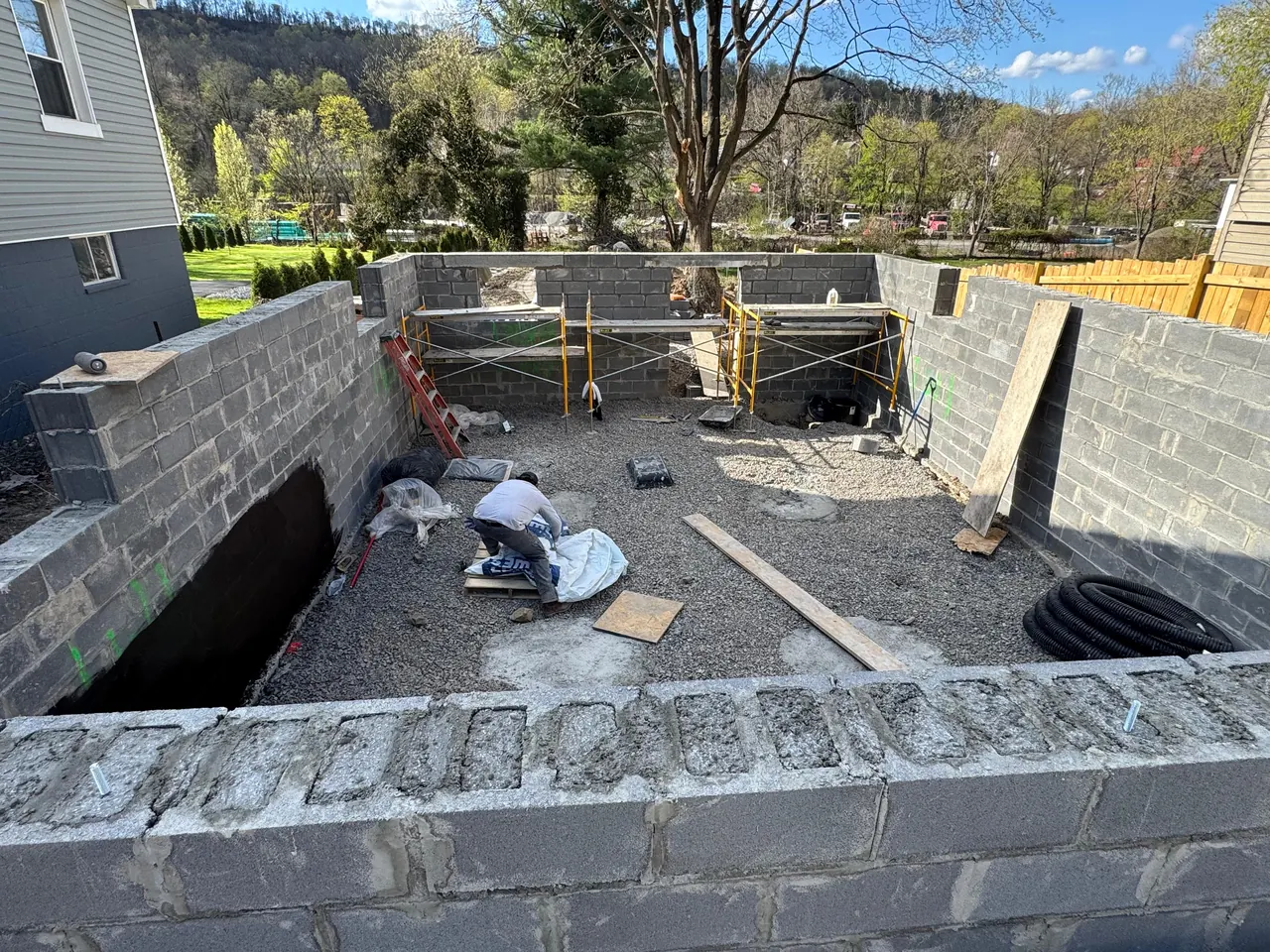
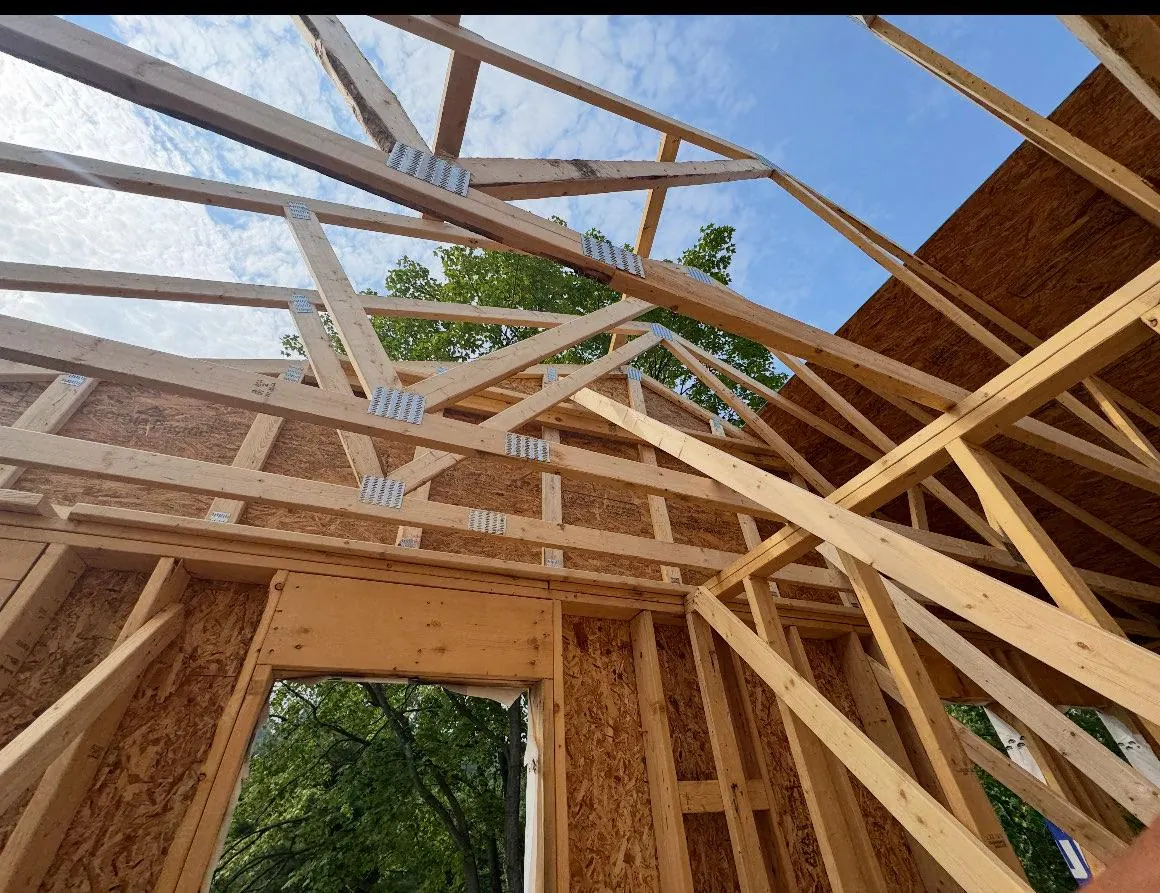
Warmer, drier ground is when exterior and structural work earns its keep. Foundations, excavation, framing and roof tie-ins for home additions all move more predictably when the site is not fighting frozen soil, standing water or short daylight — which is why addition drawings should be finished in winter if you want a spring start. Summer is also the natural season for projects that open the house up: a wall removal, a rear addition, or work that temporarily takes a roof or an exterior wall out of service is simply kinder to live through in June than in January. In Bethesda and Columbia, summer carries one more advantage: school is out, and a household can absorb a few loud weeks more easily. The trade-off is demand — summer calendars fill first, another reason the booking conversation belongs in the season before.
Fall: kitchens and bathrooms before the holidays — decided in summer
The most common seasonal disappointment we see is the October phone call asking for a new kitchen by Thanksgiving. The intention is reasonable; the calendar is not. A fall finish is a summer decision: design and selections settled, permits filed, cabinets and tile ordered, and construction sequenced so the room is cooking again well before guests arrive — with a buffer, because a deadline with no buffer is a hope, not a plan. Bathrooms follow the same rule on a smaller scale. A bathroom remodeling project that includes custom glass cannot be finished faster than the glass can be templated — and glass is measured only after tile is complete, so tile decisions made late move the finish date twice. If the holidays are your deadline, say so in the first conversation. A good team will build the schedule honestly around it or tell you plainly it is too tight — both answers protect you; a vague yes protects no one.
What Maryland weather and permits do to any calendar
Maryland gives a remodel four real seasons and a humid summer, and each one touches the plan differently. Humidity matters to materials: hardwood and cabinets should acclimate inside the house before installation, and paint and finishes cure on their own schedule in damp weather. Rain matters to sites: an addition excavation after a storm week is mud management before it is construction. Permits matter most of all, because review time is not under your contractor's control — county workloads vary, corrections take a round trip, and no honest schedule promises a permit by a date the county has not issued. That is why our contracts start the construction clock at permit issuance, and why the pricing guide publishes the same ranges we plan against. Build in slack where you cannot buy speed — review and delivery — and construction becomes the most predictable part of the year.
A simple booking calendar you can actually use
- Want a kitchen finished for the holidays? Start design in summer, lock cabinets and counters early, and keep a buffer of several weeks between the planned finish and the first guest.
- Want an addition built in warm weather? Use winter for drawings, engineering and permits, so the project is ready to break ground when the site dries out in spring.
- Want a bathroom done before guests or a new baby? Choose tile, valve and fixtures first, in that order — glass and trim cannot be scheduled until those decisions exist.
- Want a basement finished this year? Moisture-test first, in a wet season if you can, then design. A dry reading you trust is worth more than a fast start you do not.
- Want a whole-home result without moving out? Phase it by season — interiors in the colder months, structural and exterior work in the warmer ones — under one master design so no phase undoes another.
None of this requires starting construction today. It requires starting the conversation one season earlier than feels necessary — which, in remodeling, is usually exactly on time. Planning a project around a date that matters to your family? Call Eagle Home Improvements at (240) 266-8317 for a free in-home estimate, or use the lead form on this page with your preferred date and time. We will work backwards from your deadline, tell you honestly whether it holds, and leave a fixed-price quote within 48 hours — MHIC #117311, with a 5-year workmanship warranty in writing.
Frequently asked questions
What is the best season to remodel a kitchen in Maryland?
The build itself can happen in any season, because it is interior work. The best season to start is the one before you need it finished: design and order cabinets in winter or summer so construction lands in spring or fall, with a buffer before any hard deadline like the holidays.
When should I start planning a home addition?
Months before you want construction. Additions need drawings, engineering and permits before ground breaks, and foundation and framing work go most predictably in warmer, drier weather — so winter is the right season to design a spring or summer addition.
Can a bathroom remodel be finished before the holidays if I start in fall?
Usually that is too tight for a full remodel with tile and custom glass, because glass is templated after tile and both depend on selections made in advance. A fall start is realistic for the following season; we will tell you plainly at the estimate which deadline your scope can honestly meet.
Does winter construction cost more in Maryland?
Interior projects do not carry a winter premium in our published ranges. What changes by season is scheduling and lead time, not the range itself — kitchens $38,000-$115,000, bathrooms $22,000-$48,000, basements $45,000-$110,000 and additions $120,000-$325,000 apply year-round.