The moving side: costs that never come back
Start with the friction. Selling a home typically costs 6-10% of its value in commissions, closing costs, prep and repairs — money that buys nothing. Buying the next home adds its own closing costs, moving costs, and the rate problem: trading a 3-4% mortgage for a 6-7% one can raise the monthly payment on the same principal by a third or more, forever. Then comes the quietest line item: the new house is not new. Buyers routinely spend five figures in the first two years on the roof, the HVAC, the kitchen that looked fine in photos. Add it honestly and a same-neighborhood move often burns $80,000-$150,000 before a single improvement is made — the price of changing your address, not your house.
The renovation side: what the same money buys at home
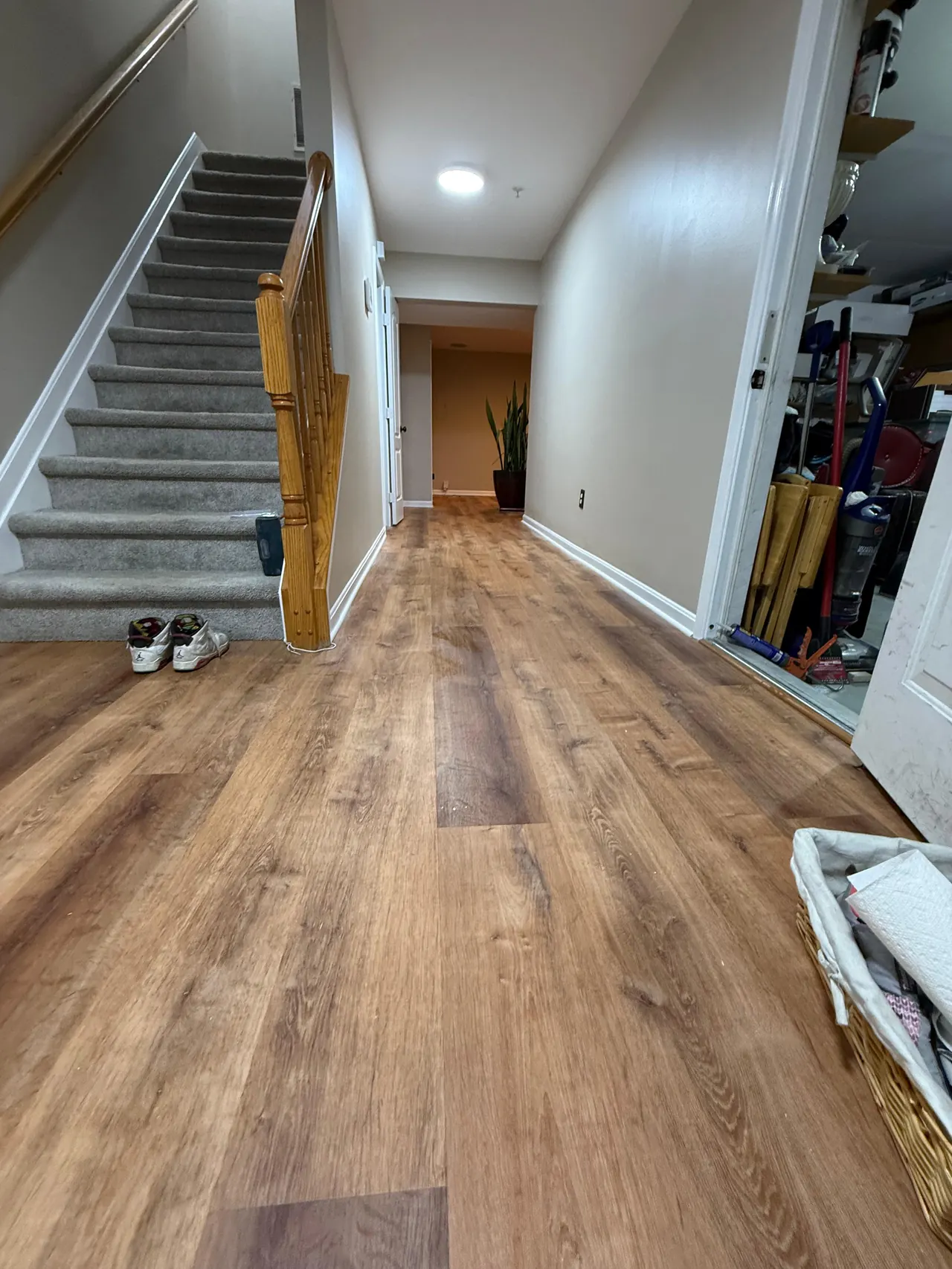
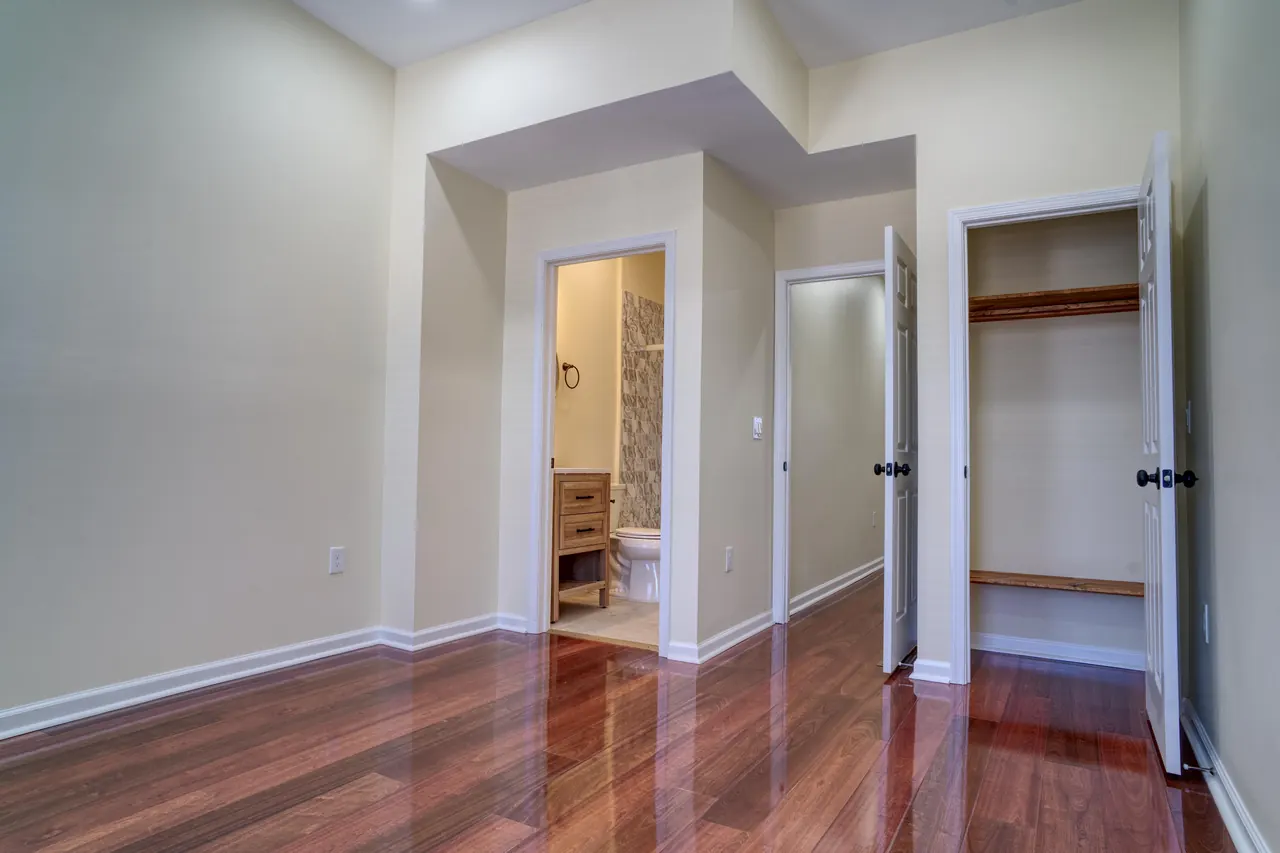
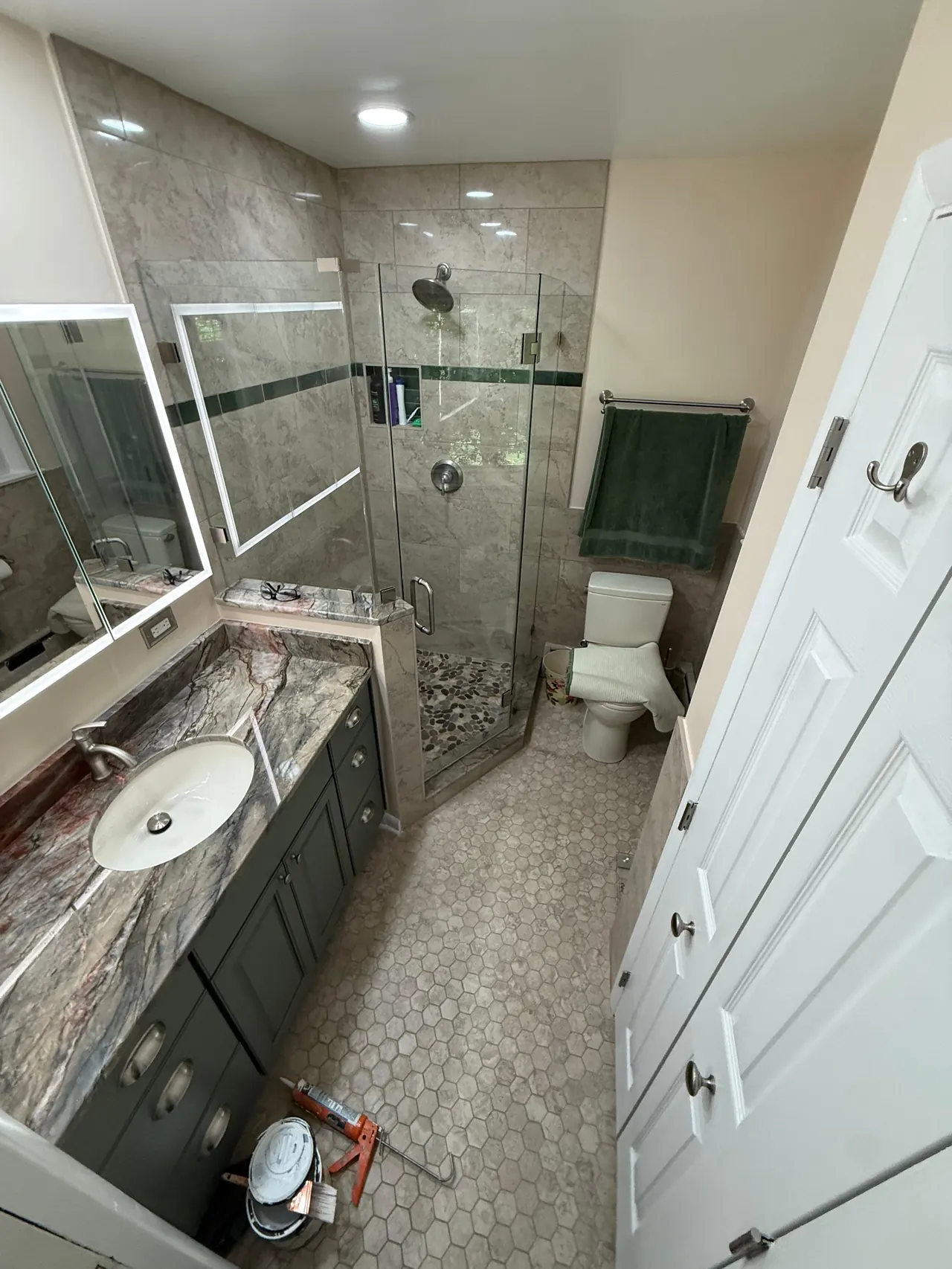
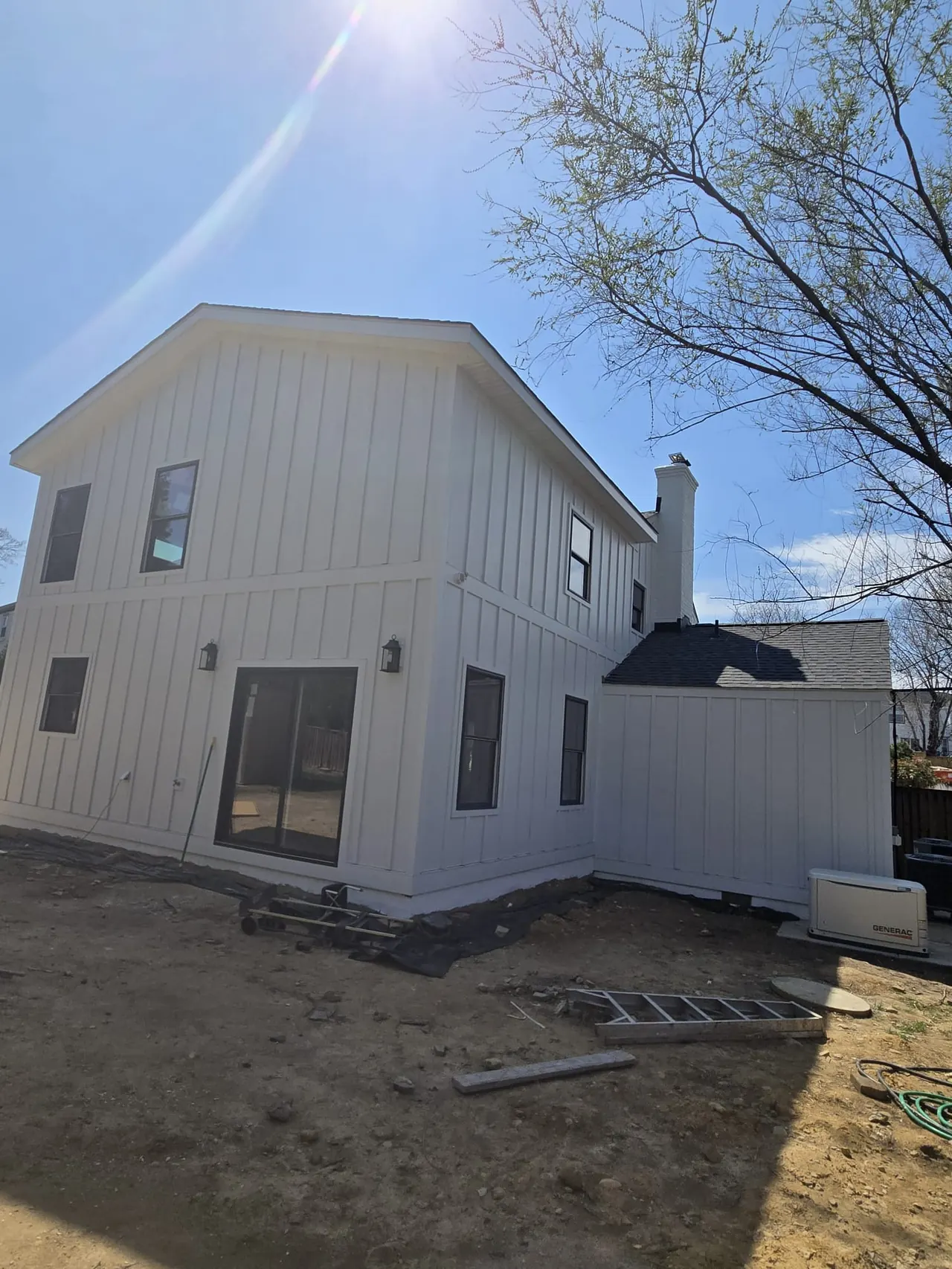
Against that friction, weigh what a whole-home scope does with comparable money. A phased renovation — kitchen and primary bath first, then main-level reconfiguration, then systems and finishes — rebuilds the house around your life while keeping your rate, your lot and your location. Our remodeling ROI guide covers which projects return value at resale, but the deeper point is different: renovation money becomes house, while moving money becomes fees. The honest constraints are time (phased projects run months), tolerance for construction in phases, and the ceiling question: some houses genuinely cannot become what a family needs, and no renovation fixes a wrong lot or a wrong school pyramid.
The three questions that usually settle it
First: is the location right for the next ten years? Location is the one thing renovation cannot change, so a yes here weighs heavily toward staying. Second: can this structure become the house you need — enough bedrooms, a workable main level, a lot that fits your life? Additions and reconfigurations fix more than most people expect, but not everything. Third: run your personal math — your current rate, your equity, and the real quotes both ways. A fixed-price renovation quote is a knowable number; get one before deciding, the way you would get a market analysis from an agent. Guessing at renovation cost is how families talk themselves into moves they did not need.
How phasing makes the renovation path livable
The objection we hear most is not money — it is 'we cannot live in a construction site for a year.' Phasing answers it: design the whole scope once, then build in fixed-price phases sequenced so the house always has a working kitchen and bath. Phase one is usually the kitchen and the systems it touches; phase two, baths and bedrooms; phase three, the basement or the addition. Each phase is permitted and priced on its own contract, and because the master design exists, phase one never has to be undone for phase three. It is slower than moving out and doing everything at once — and dramatically cheaper than a year of rent or a double move.
If you are running this decision now, get the real number for the renovation side: a free in-home estimate gives you a fixed-price quote within 48 hours, valid for 30 days. Compare it against your agent's net sheet and the rate math — then decide with both sides in writing.
Frequently asked questions
Is it cheaper to renovate or move in the DC area in 2026?
For most owners with below-market mortgage rates, renovating is cheaper: a same-area move commonly burns $80K-$150K in commissions, closing costs, rate increases and first-years fixes on the new house — before any improvement. Renovation spend, by contrast, goes into the house itself.
What if my house cannot become what we need?
Then moving wins, and a good remodeler should tell you so. Structural limits, lot size and school pyramids are real constraints. The in-home estimate includes an honest feasibility read — we would rather lose a project than build the wrong one.
Can a whole-home renovation be done while we live in the house?
Yes, with phasing: the full scope is designed once and built in fixed-price phases that always leave you a working kitchen and bathroom. It takes longer than an empty-house build, but avoids rent and double moves.
Does renovating protect my current mortgage rate?
Yes — renovation is typically funded from savings or home-equity credit, leaving your first mortgage untouched. Trading a 3-4% rate for a 6-7% one is often the single largest hidden cost of moving.